Category: Game development

  • The Ruin Wanderer out now

    The Ruin Wanderer out now

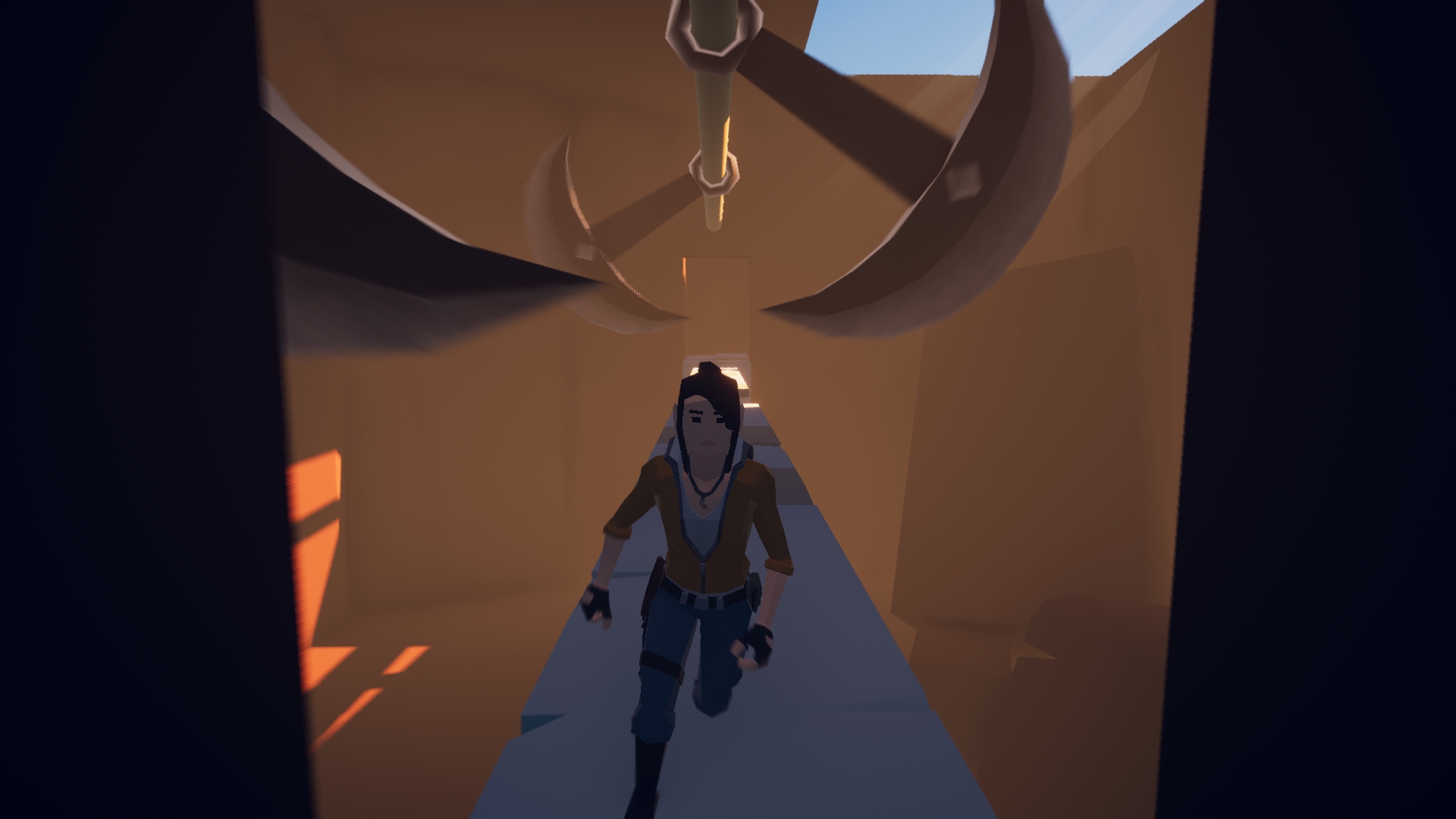
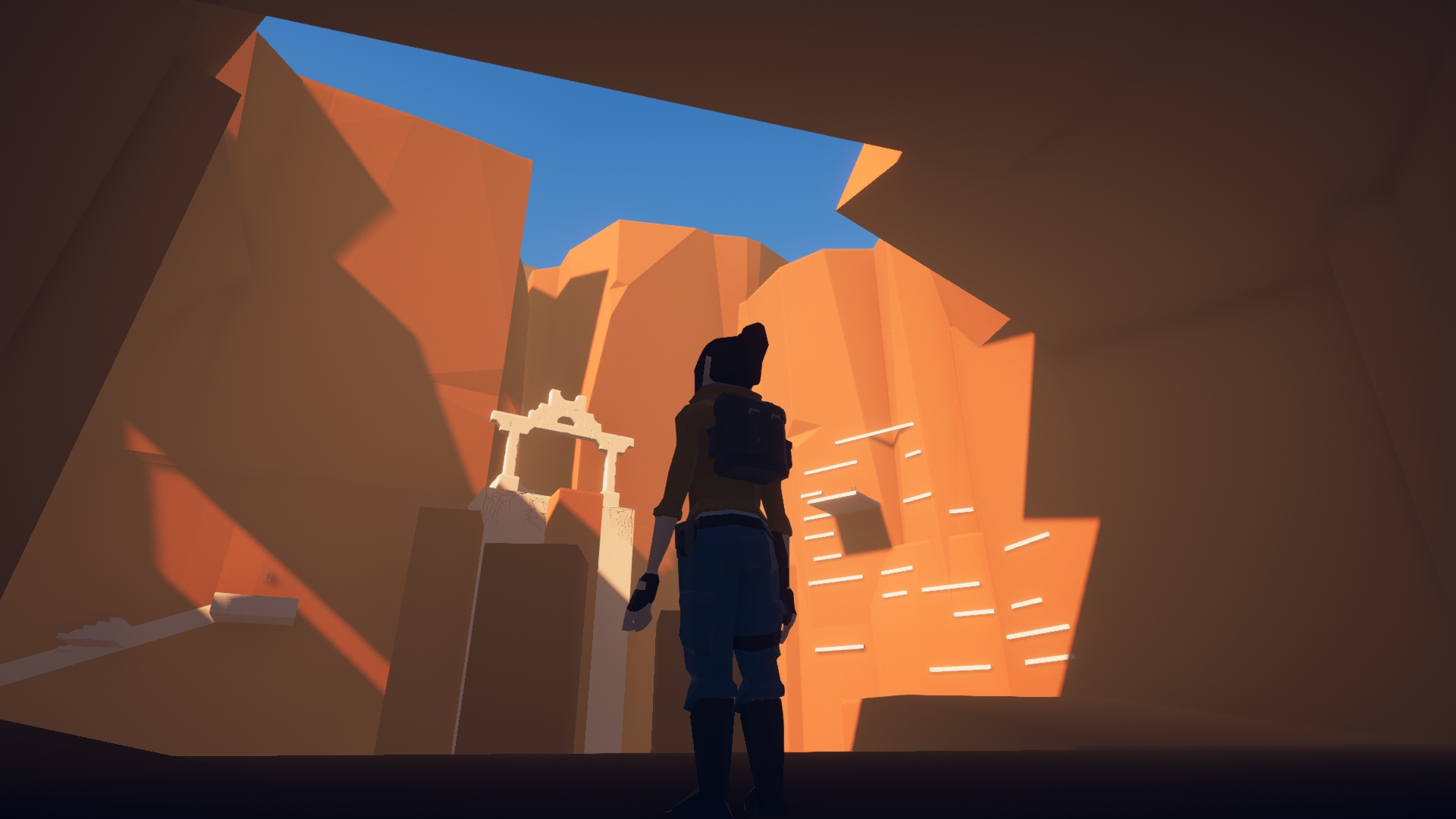
    Continuing the tradition of remastering my old games and releasing them on Steam, I turned my attention to Minimal Raider, a gamejam project that aimed to recreate the feeling of the old Tomb Raider games. I’ve always wanted to expand on it with new locations, but first I had to fix the state it was in. The climbing system had some annoyances, the graphics never really made it past low-poly pseudo-greybox, and the architecture was not ready to support multiple levels, so I rebuilt the game from the ground up in Unity 6 to improve both the look and the feel of the experience.

    Significant changes:

    • Improved climbing system
    • New player model
    • Greatly improved environments
    • Greatly improved lighting
    • Expanded level design
    • Improved secrets placement
    • Full controller support
    • Steam cloud save support

    Available now on Steam and Itch!

  • Coyote remaster out now

    Coyote remaster out now

    Those of you who have followed along for years may remember that back in 2009, I created a small point-and-click Western moodpiece called Coyote. Recently I returned to it to port it to Unity, polish it up, and release it on Steam. What seemed like a simple remaster turned into a bit of a passion project that adds new graphics, voiceacting, expanded interaction possibilities, rewritten story, and even a whole new scene.

    All this to say I’m proud to present Coyote: A Wild West Vignette, now available on Steam and Itch!

  • Taking Project Art Thief on tour

    Taking Project Art Thief on tour

    Last month I visited INDIGO, the leading dutch games event. In previous years I had attended as a visitor (though one year I did exhibit with a demo of Black Feather Forest), but this year I decided to push myself out of my comfort zone and get a business ticket. This meant I could take meetings with publishers, investors, and PR and co-development companies. And that turned out the be a great decision.

    Overall the pitching went very well, and it was great to be able to demo the game on my Steam Deck right there at the table. This was the prototype I showed you some screenshots of last time we spoke; I’ve polished it up in the meantime with new features, and 3D assets to give an indication of the visual style. it’s hardly ‘finished’ but it gives a good impression of the gameplay loop.

    Meanwhile, I asked a friend of mine who studied art history to curate an exhibit for this first level. She pulled existing works out of Open Access databases from museums around the world, and adding these works immediately makes the museum space come alive.

    What’s next?

    There’s a long list of things I want to work on after this, but for the next few months I still remain focused on work for hire assignments, and my kid of course! Towards the end of the year I hope to transition back into working on Project Art Thief fulltime.

    What else?

    Last week GYLT was released on Steam. It immediately caught my eye because it seems to be doing a similar thing to Project Art Thief: taking a gritty realistic genre and giving it a wholesome stylized treatment – in their case, survival horror. It’s very charming and doesn’t do a half-bad job at tackling stealth as well. Nice to see more of such projects appearing.

  • The Birdies and the babies

    The Birdies and the babies

    Hey there! Last time I told you about my new game Project Art Thief, and shared some work in progress shots from the prototype. Since then, I’ve been working with a 3D artist to replace some of the grey boxes with more pleasant things to look at. It’s by no means finished, but I’m pleased to present the main character: Robin “Birdie” Van Rijn!

    I don’t think I’ve ever spent so much time designing a character for one of my own games, but I wanted this one to be just right, and it was important to document it in great detail because the 2D design had to be interpreted by a 3D artist.

    Birdie’s 3D model was made by Renske Peeters Weem, I painted the texture, and I’m very pleased with the result. It’s great to see her in motion, running and sneaking around the level, but more about that next time.

    In the meantime I’m working more on the guard AI, level design, and the narrative together with my writing intern Lauren (not to be confused with Laura, who is an art historian friend curating an exhibit for the demo level).

    Lots of exciting things, but lots to do still, too!

    In other news

    Which brings me to this next part, because progress is slow, but that has a very nice reason: we became parents in September! Our boy Lucas is doing very well, but also demands a lot of attention, so in a way I’m working on two big projects right now!

    That’s all for this one, folks. Speak to you soon.

    ~Tim

  • Announcing Project Art Thief

    Announcing Project Art Thief

    Project Art Thief (PAT) is a third-person stealth game where you’ll get to wander around the beautiful museums of a european city, map their weak spots, and sneak in and out unseen to replace pieces of art.

    “Replace”? Yes. You see, you’ve discovered that your late grandma was an art forger! In an effort to save your family name, you decide to swap back the real works she stole with the forgeries she left hanging in the museums. Whether grandma’s ghost has something to say about that remains to be seen…

    Inspired by some of my favorite stealth games like Hitman and Splinter Cell, I wanted to take a more lighthearted, non-violent route, and explore a different side of the genre that is typically headlined by bearded soldier men.

    I’m currently developing the prototype for PAT with funding from the Creative Industries Fund, which I’m very excited about! Currently it’s all gray boxes while I work on the gameplay, but I’ll have more to share soon.

    Here are a few shots from development:

    As I said, I’ll have more to show later this year. I’m also working on a proper website and presskit and everything, so I’ll let you know when all of that will start appearing,

  • How to add Steam cloud saves to your game

    How to add Steam cloud saves to your game

    When I released my fist Steam game, I wanted to add cloud save support, so you’d be able to pick up the game and continue playing on any platform. Googling for how-to guides only turned up forum posts from gamers talking about it from a user perspective, and most of the Steamworks guides I watched on Youtube glossed over this feature. Eventually I did find the cloud save section in the Steamworks documentation (shoulda looked at that first maybe, huh), but still, like most things about Steamworks, their explanation was a bit more complicated than I feel like it needs to be.

    So here’s how I did it:

    (more…)
  • Really basic coding tutorial for the new Unity Input System

    Really basic coding tutorial for the new Unity Input System

    I was really curious about Unity’s new input system. Abstracting player inputs from all different platforms and devices into a single actions set is really smart – I mean, I’ve been working like that for years thanks to the Rewired plugin, it’s great. So it’s exciting that Unity now has a native way to achieve the same. But the big difference is that while Rewired makes it stupidly easy, the new Input system (seemingly) does not. It CAN, but Unity’s documentation is bad at explaining this, and frankly so are most of the tutorials I’ve watched or read, which is why I’m writing this quick guide.

    For the purpose of this guide I’m going to assume you have some basic knowledge of the input system, like how to install it and create an Input Action asset. If not, this is one of the nicer tutorials I’ve seen so far to get up to speed (you’d only need to watch the first 6 minutes).

    (more…)
  • The House On Holland Hill out now on Steam!

    The House On Holland Hill out now on Steam!

    My first game release on Steam is now available!

    The House On Holland Hill is a 15-20 minute first-person narrative game in which you play a food delivery guy. Through a series of vignettes, you cross paths with the residents of a beautiful house on Holland Hill road, where you make frequent deliveries. In the wake of tragedy, something ominous looms behind their front door.

    This project started as a gamejam game a couple of years ago. I had to cut some ideas to make that deadline, and afterwards it didn’t seem useful to keep tinkering away at this perfectly playable little game, so I carried on making new games. But the project stuck with me, and from what I hear, many of you felt the same. Fast-forward a few years, and I had learned a lot about Unity and game development in general, and when I replayed THOHH I felt a strong urge to give it some love. Alongside that, I also tackled a new frontier: releasing a game on Steam.

    Here are a number of highlights from the changelog:

    (more…)
  • How to back up your game project with GIT (for free)

    How to back up your game project with GIT (for free)

    Talking to indie devs, the topic of backing up game projects often comes up. They know they should, but they don’t know how or it seems too complicated. I was there too, but since I started using GIT, I never want to live without it. So I thought I’d write a GITting started guide (sorry). This isn’t by any means the way to do it, it’s just what I’ve found to work best for me.

    (more…)
  • Minimal Raider released

    Minimal Raider released

    Happy new year! I’m starting 2019 off right with the release of a small game I worked on at the end of 2018: Minimal Raider, my submission for the #tombraiderjam on itch.io. I’ve always been a fan of the Tomb Raider franchise, so I had to seize this opportunity to play with the formula.

    It was a great learning experience working on this game. I’m no stranger to 3D level design, but I never had a third-person character who is able to traverse the space freely and climb and jump and everything. It radially changes how you layout a level. I’m using the excellent climbing system by DiasGames.

    I built 80% of the level out of standard Unity cubes with different colors, and then enhanced some areas with more bespoke assets from Beffio’s Lost Lands pack. In a way you can still see a lot of the greyboxing geometry in the final version, which I think is fun, it’s like seeing the brushstrokes on a painting.

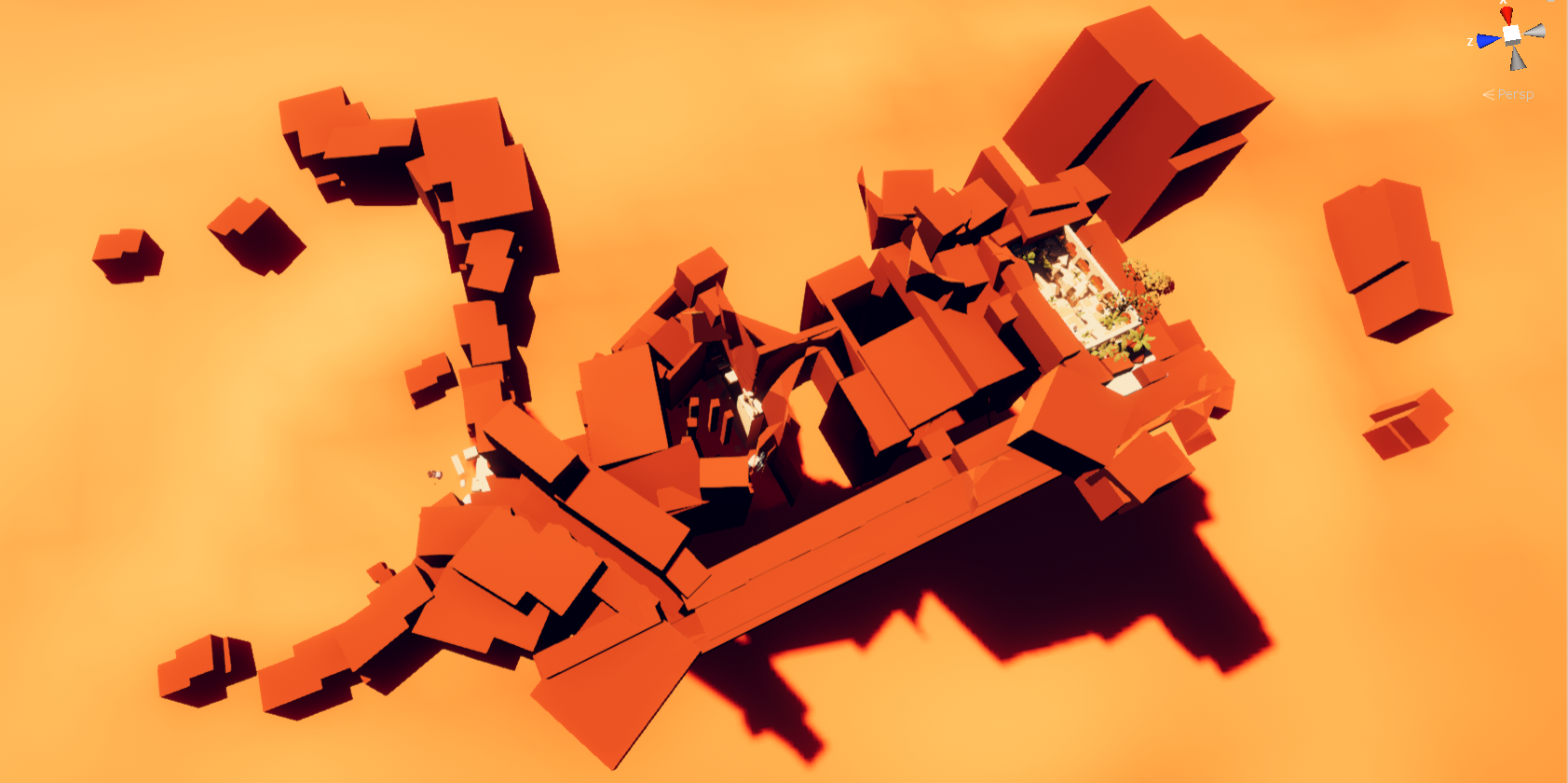
    A topdown view of the level. You can see there is very little geometry other than what is necessary and visible by the player.

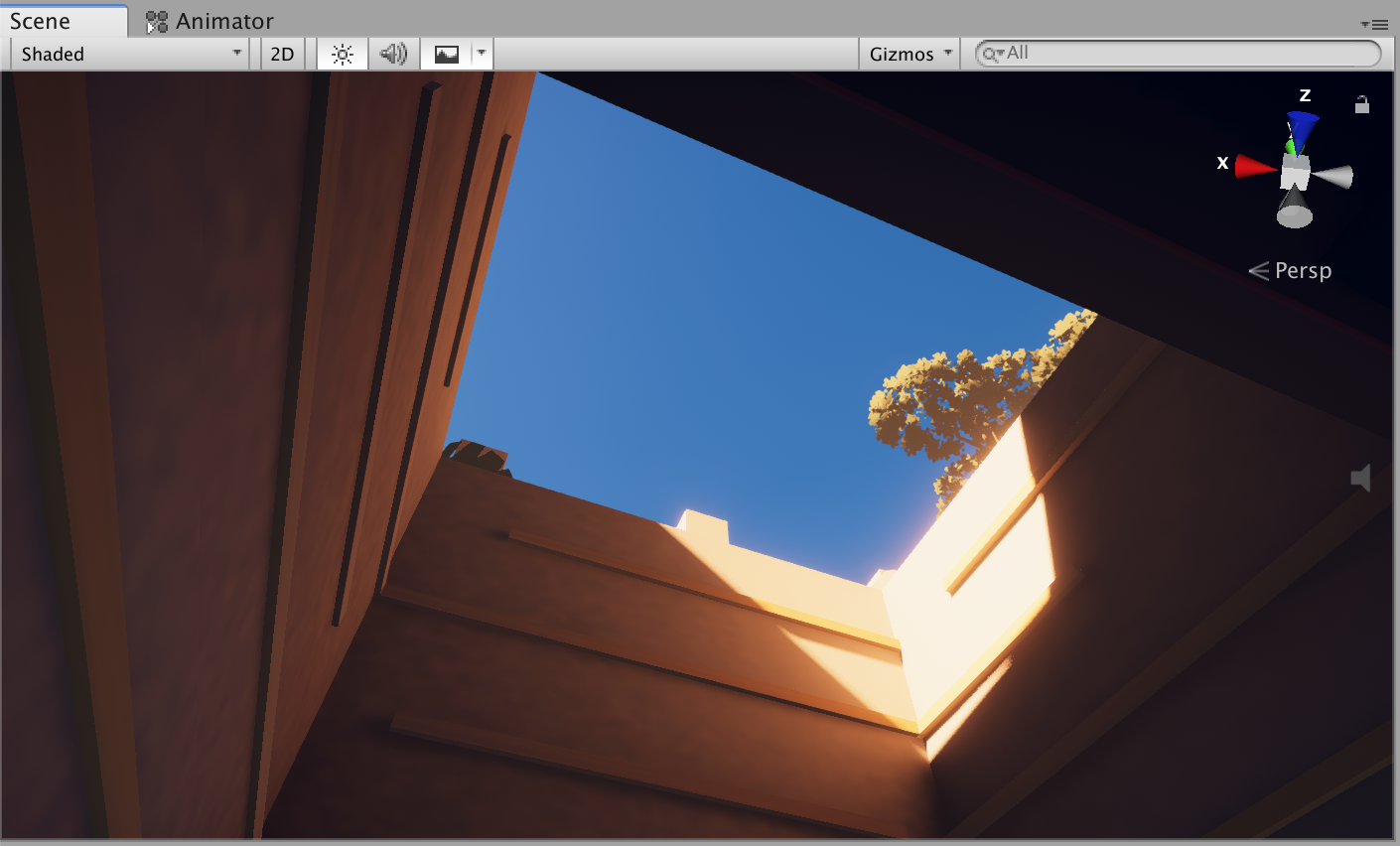
    And after dancing around it for a while, I finally figured out how to lightmap a level properly. This gives everything a more natural feel, as sunlight bounces off of surfaces to illuminate others. It’s not super easy to set up and iterate on quickly, but I managed to get pretty decent results with fairly swift bake times eventually.

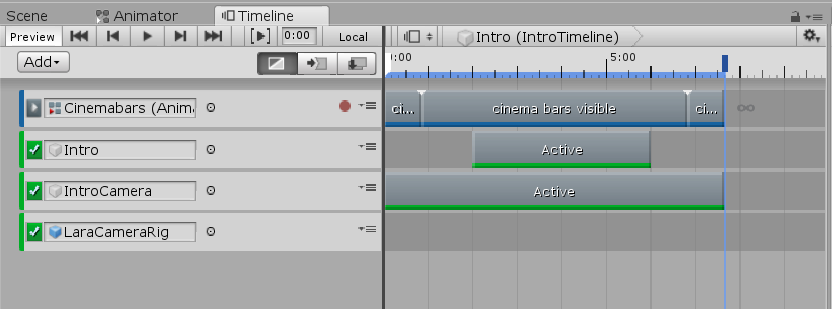
    This is also the first time I’m using Unity Timeline in a production environment, and I liked it a lot. I had already made a 2D animation project with it previously, so I knew the basics workflow, which meant I could quickly achieve exactly what I needed for the intro and outro cinematics of this game.

    And finally the post-processing effects tie it all together. Bloom is essential here ofcourse for the scorching desert sun and the contrast between inside and outside spaces, then there’s color grading, tonemapping, and motion blur to give it a more cinematic feel.

    I’d love to hear what you think if you check it out!

  • 2018 recap

    2018 has been a funny one. Even though it’s technically been a quiet year for Hedgefield lots has happened still.

    Intern

    For starters, I had my first intern! Kim Leunen from the HKU asked if she could intern with me for a few months, so every week we sat down and spent the day making games.

    It was really refreshing to work with someone from the game world again. And like me, Kim started from illustration and now wanted to tell interactive stories, so our design vision was very similar.

    We wrote a new concept from the ashes of Black Feather Forest, and built a prototype for her girlscout forest adventure game (a recurring theme in my career by now). I look forward to seeing what she creates.

    Read the rest »
  • Back out West

    This week is Remake Jam on itch.io, which brought me back to my first (finished) game project, Coyote. I’ve been wanting to make a sequel to that for ages, but I’ve got enough games I need to finish first. But in the context of this jam, I thought it might be fun to rebuild the original in Unity, using everything I’ve learned since 2011. I’m not sure I can pull it off in one week, but it’s already been fun to rebuild the town in 3D (using this great asset store package) and recreating the intro. I’m excited to work on this further.

  • Ocean Boy, the investigation of why I like stories at sea

    Ocean Boy, the investigation of why I like stories at sea

    I realized recently that I have a fascination for the ocean.

    It felt like it came out of nowhere, but when I traced it back, it was surprised to find that it’s been something in the back of my mind for a very long time. Check this out:

    (more…)
  • The House On Holland Hill v2

    The House On Holland Hill v2

    A year ago, I released The House On Holland Hill, a short narrative game built during Wizard Jam 4. In keeping with tradition, I’m now releasing version 2 of this game, on the eve of Wizard Jam 6.


    THOHH was never meant to become a highly-polished game, but I found myself still thinking about it after I released it. So a few weeks ago I decided to work on a few upgrades to make it feel less like a prototype.

    Here’s what’s new:

    (more…)

  • Released: The House on Holland Hill

    Released: The House on Holland Hill

    After two weeks of intermittent development, I finished my gamejam game (late) last sunday! I’ve polished up a few bits since then, and aside from the save system that doesn’t work yet, it’s become a pretty solid offering. And more tweaks and polish are probably coming in the next few weeks.

    You can download the game from https://hedgefield.itch.io/hollandhill. Let me know what you thought of it if you play it!

  • Live from the Wizard Jam front, episode #2

    Hey there! This is my second missive from the WJ4 front – read the first one here.

    I spent last weekend finalizing the geometry so I could turn it into a prefab and use it across all scenes. It mostly came down to adding some final furniture and building out the surrounding terrain and forest. About halfway through, I realized I was putting way too much effort into it, and it served its purpose just fine the way it was. So I packaged it all up and finally started the first story scene.

    screenshot_13

    Unfortunately, it turned out that Adventure Creator was not 100% foolproof in turning everything into a prefab. The common interactions (opening and closing all the doors in the house etc) were especially dire; they turned up blank after being imported into a new scene, so I had to go into each of the associated objects in a new scene and hook them back up. Not great. Lost a lot of time troubleshooting that. But in the end I had a basic scene that I could duplicate, a sort of prefab if you will, so at least I could now set it and forget it.

    Mid-week I finally had some time to dedicate to the game again and I set up the first scene’s logic, which went pretty quickly. That offered some hope for the remaining days. I got started on character sprites too. I wanted to try a more detailed style with thinner lines, like Californium, but in the interest of time I went with my go-to art style. I’ll fix that in post, as they say.

    stairsapproach

    Once I got them in the game and had a few expressions to play with, things really started to come together. I also made a menu that displays which delivery you are embarking on, like the splash screen for the days in Firewatch. Then it was just a matter of knocking out more scenes and more character sprites. Which I did on friday.

    screenshot_16

    I skipped after-hour drinks at the office to get into THE ZONE, and by midnight I had set up about half of the game. Granted, those scenes were the easiest to make and contain very little pithy gameplay, but it was nice to be able to punch those out real quick. I might still make the sunday night deadline with something half decent! It doesn’t help that there are a national holiday and a concert in-between me and that moment though, but oh well…


  • Live from the Wizard Jam front, episode #1

    Hey there dear reader!

    The last time I did a live devlog was when I was making 15 Minutes, my 24 parody game. And that was back in 2011! I’ve moved on to Unity since then and made a bunch of games, but I don’t often participate in jams. The last time was ol’ Wizard Jam 1, the Idle Thumbs community game jam. But this time around the planets and stars aligned and I had enough time and a good idea, so I’m participating in Wizard Jam 4.

    I got a bit of a late start as I was at a conference on the island of Texel last weekend, but I managed to catch up in the free moments throughout the week.

    The concept

    A few weeks ago I had a dream. In it -among other things- I biked to a villa in the forest and met the man of the house and his maid. I don’t know why, but when I woke up that image stuck with me. I wanted to go to that place and look around more. So, in keeping with me basing games on dreams, I thought it would be a nice thing to make for this jam.

    The groundwork

    I wrote out some details about the game and its events in the past week, so I had enough to jump right into Unity. I decided to use my trusty Adventure Creator plugin, and since I’m not very good with 3D modeling I’m going for a 3D world/2D characters style like The Tell-Tale Heart / Californium / Trackless.

    The player character will be a pizza delivery guy, so the first thing I wanted to get was a little scooter, and I found the perfect one on the Asset Store. And together with a first-person character I was testing last week I had the basics of the first scene. Next was greyboxing the essential geometry. I used assets from the Stylized Jungle Pack I purchased for Reconquista in combination with just regular grey cubes.

    screenshot_3

    Then I started looking for forest villa reference photos.

    screenshot_6

    This gave me the idea to add a driveway and carport around the side of the house – a nice hidden area you’ll only stumble upon if you go snooping around. And of course, a carport isn’t complete without a car. Then I got a little carried away… but hey at least this confirms the interaction system works!

    screenshot_5

    I fiddled with the camera some more after that. It was really jittery, so I imported the First Person Drifter Controller, a neat little plugin I keep around for prototyping these kinds of games, and pulled the mouse smoothing script out of it to integrate with my player prefab. The result is really smooth!

    Next was setting up the interaction system and UI, and I hollowed out the cube I had used to represent the house. I built some rooms and a glass facade, and then I really needed furniture. While browsing the Unity Asset Store I found some really great assets by OneSquareFoot. Their furniture mega pack was perfect to furnish the house with. And a nice opportunity to re-enact the Matrix.

    I tried a few interior layouts and eventually settled on something that felt logical and looked good. Then I moved the sun a few degrees so that it would shine on the terrace for a longer period of time each day, justifying the reason the house was built at this angle. Would that I had such powers in real life.

    screenshot_8

    I was getting antsy to try the character style so I added a quick 2D guy. I should really work on the gameplay a bit at this point, but I wanted to have the house ready so I can turn it into a prefab and use it across all scenes without cutting into my own fingers later. So I spent some time adding collision to the interior, interactive doors, a staircase into the cellar, curtains, outside lights that react to motion and a functional doorbell that summons the man of the house. Just a bit more sprucing up and it should be ready to go.


    screenshot_10

  • Reconquista 2.0 – revising a released game

    When you’re making games on your own, finishing a project is already a pretty big milestone. But chances are you had to cut some corners to get it done. There are usually a few features that fall by the wayside depending on time, energy, or technical complexity. But how do you decide to either write off those ideas or keep them stored away for a potential version 2.0?

    Since Reconquista was my first 3D game, I had to cut a lot of corners, so when I finished v1.0 I did not feel fulfilled. There wasn’t much to do outside of make a beeline for the temple, and the enemy AI was pretty rudimentary – it didn’t really reward exploration or experimentation. So when I released the game, I knew that I would someday revisit the game design. And I did.

    comparison

    I came back for three reasons; I wanted to:

    (more…)

  • By the numbers

    By the numbers

    The demo for Last Voyage of the Orlova has been running for two weeks in a corner of VondelCS, and in that time Unity Analytics has been quietly tracking some key events in the game. Here’s a quick breakdown of those numbers:

    It’s hard to say exactly how many people played the game, but I know 107 made it through the first few minutes and fired up the lighthouse.

    77 hopefuls then entered the derelict ship floating through the mist.

    41 of them figured out how to open the engineering deck and end the lockdown.

    35 then made it to the front deck and found the axe.

    They swung that axe 708 times, altogether. Wowzers.

    And finally, 23 hardcore problem-solvers made it to the end of the demo.

    These numbers are pretty impressive considering it’s running on an unattended fully-functional windows machine in some cafe hallway, away from any kind of gaming expo context, and without any strong tutorial content. It also shows that I could do some stronger foreshadowing in certain areas, but it might as well be that people had to move on or weren’t invested enough to explore further.

    All in all, I’m glad I added the analytics in last-minute.

  • 5 simple tips for demoing games at events

    2014-09-26 14.18.01

    As I’m getting ready to demo Last Voyage Of The Orlova at the Opium Torenkamer Festival, I’m adding some extra features to the game to make my life easier during the two weeks it will be there. Demoing a game at an event may seem like a simple errand: put the executable on a computer and let people go wild. But there are a few things you can do to make everything go smoothly:

    (more…)

  • Scratching that itch

    Hey there blog denizens!

    It’s no secret that I’m a fan of itch.io, thé online marketplace for interesting indie games these days, but I never added ALL of my projects before. And it would have been weird to upload unfinished games to a webstore, but itch has evolved tremendously lately, offering support for limited betas and early access games. So now you can find all of my personal projects of note at hedgefield.itch.io.

    But wait, there’s one more thing.

    Last year I stopped blogging weekly about my indie escapades and created a once-in-a-while newsletter, but I noticed that I then also shared less little gamedev insights, something which the blog was perfect for. So I’m bringing that back. As I wrap up work on the first Orlova beta for an upcoming event, expect more work-in-progress posts. It’s time to turn this place back into a proper devblog.

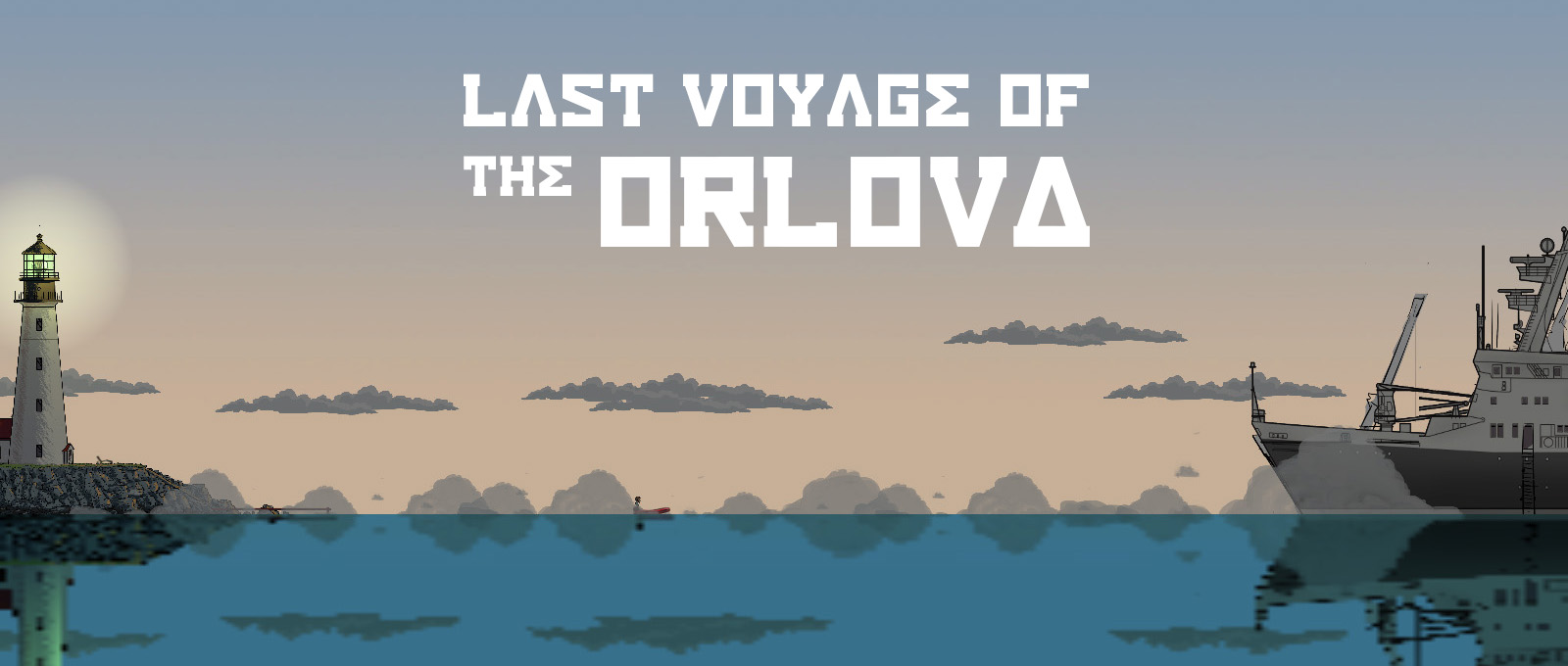
    Starting with the new title screen for Last Voyage of the Orlova.

    OS0.png

  • 2016 look-ahead

    We looked back at 2015 earlier this month, now it’s time to look ahead at all the things coming for Hedgefield in 2016.

    Finish developing Last Voyage Of The Orlova

    I started this project last summer with the intention to finish it up in a month or two, but then I got caught up in other things eventually leading me to my current job at Yoast, so the development timetable for this project has been stretched out somewhat. But this year I’m definitely finishing it and putting it out in itch.io.

    Work with some cool people on 7 Days Of Klement

    I can’t tell you what it is yet, but this year I’m working on a game spearheaded by Sytze Schalk, though I’m keeping my role in it limited to some design and prototyping work, leaving the heavy lifting to contractors. But that’s a great opportunity to involve some people I’ve wanted to work with.

    Write a new draft for Black Feather Forest

    This again? Yes. I’ve done a lot of thinking about this game since I completed the vertical slice in 2014. It was way too ambitious, while still missing some crucial mechanics. So I’m slowly writing a new draft, and so far it’s looking pretty solid. 2017 here I come.

    Draw more

    It sounds weird considering my day job IS drawing, but I want to make more quick little drawings in my free time and learn new techniques. Just get better at it, basically.

    I’ll be talking more in-depth about these things in my newsletter, so sign up for that.


  • 2D water reflections in Unity

    2D water reflections in Unity

    Some people asked me how I’m doing the water reflections in Last Voyage Of The Orlova, so here’s a quick look at the shader. Download at the bottom of the post.

    The solution consists of two components: a shader for the groundwork, and a script to render it on a quad.

    The shader has a texture slot and a color picker. The texture is optional, you can just change the water color using the color picker.

    The script has settings for the reflection resolution, offset, and which layers should be reflected. I keep the resolution intentionally low (256) because otherwise the reflection is too perfect and it doesn’t look like water anymore. And I like the way it shimmers when you walk.

    I’ve packaged the files up so you can try this in your own project right now:
    Click here to download.

    To get started, add these files to your project’s Assets folder, and drag the reflection prefab into your scene. You can adjust the size and position of the prefab to your needs.

    Let me know here or on twitter if you use it, I’d love to see it in action in other places.

    If you’re looking to add waves (with physics!) to the water surface, the Zippy Water 2D asset is pretty good. I applied this shader to their water prefab and it works.

  • Announcing The Last Voyage Of The Orlova

    Today I’d like you to meet my next game, The Last Voyage Of The Orlova.

    Orlova, for short, is a 2D sidescrolling exploration game about an Irish lighthouse keeper that comes across the ghost ship Lyubov Orlova. The MV Lyubov Orlova is a real (decommissioned) cruiseship that was lost in a storm in 2013, when it was being towed to a scrap yard. Since then, nobody has succesfully rediscovered the ship. In 2014 its radio blipped off the coast of the UK/Ireland, and later disappeared again. This game is an exploration of what could have happened if someone on the coast encountered the ship during that time.

    In the game you control the lighthouse keeper as he discovers the ship off the coast of his island, and goes to explore it. Ultimately, he wants to get the ship away from the coast and from the shipping lanes he oversees with his lighthouse. Armed with a map and an axe, you can walk up and down all the decks of the ship in search of clues about the history of this ship. On the way you will encounter obstacles that need to be overcome, such as barricades to be chopped down, flooded compartments, and droves of rats blocking your progress.

    The game will come out for PC/Mac/Linux somewhere this year. More info coming soon.

  • Week 66

    This is a weekly recap of what has been going on in my professional life. It’s to keep track of what I’m up to and to give you a peek at what it’s like being an independent creator.

    Last week was a bit disappointing. I did get the BlaFF storyline plotted out fully in Twine, which was great because it gave me an instant visual overview of which parts were too linear and which had too much going on at once. I added one location and everything feels better balanced now. The added bonus is that I now have an accurate count of all the clues you can collect during the game and where they are referenced. I was afraid I had planned for too many, but the total number came up short of the space I had reserved for it, so that’s good, I can pad some things out and add more info to find.

    twine

    But then, bad news. Indie Fund reviewed my submission and decided that it didn’t quite fit with what they were looking for in their portfolio. I hadn’t expected much but it was still disappointing. The next day I heard back from Double Fine too – they really liked the game, but with two guys manning their publishing department part-time and three projects on their hands already they didn’t have space on their docket, but it was still nice to hear. I’ve got a few more emails out, so we’ll see how that goes in the coming weeks.

    Mostly it shook me awake to the fact that the core game needs work. I’ve been caught up in polishing what I essentially made in one month, but it needs new features. I’ve just been afraid to break the whole thing open again. But it has to be done. I got some good tips from people that played the demo, some of which I had already thought of myself, so it’s time to put stuff like that in and make the game match up with the promise.

    The only problem is I don’t have much leeway to spend time on it right now. I’d love to, but life costs money, and making games is not exactly a quick return-of-investment. So I decided to pivot back to illustration for a while. I could do a Kickstarter for BlaFF, but setting that up would take me another month, and there’s no guarantee that it will work out, especially in the current sour climate in the games industry. I needed to step away from all that anxiety and get back to what I know I can do well: drawing. (I have more thoughts on this that I’ll put in a seperate blogpost.)

    But for now I’m good doing illustration. I got two emails recently for interesting and substantial projects. They’re both international, so it’s also a new challenge in figuring out how to process that in my administration. And if you’re reading this and have a nice assignment for me: I’m available for hire!

    next week: drawing drawing drawing.